



Make Your E-Scooter Battery Last Longer: Charging & Care Rules
Daily Rule
Charge with brief top-ups, maintain a charge level of 20–80% on most days, avoid heat exposure, and allow the pack to cool for 15–30 minutes before charging. Keep it at 50–60% in a cool, dry environment and use the original charger. Plug in until it reaches 100% about once a month for balancing, then disconnect.
20–80%Daily charge window for longest life
50–60%Charge level for storage
15–30 minCool-down before charging after a ride
16–22°CIdeal operating temperature (Battery University)
Investing your bucks in an electric scooter is a smart move, but do you know that a little care can add serious life to your ride? Whether it's daily charging or seasonal storage, small tweaks in how you treat your battery can make a big difference in performance, safety, and savings.
If you're riding models like the Zero 8 or Zero 9, or pushing the power of a Mercane WideWheel Pro, these tips will help protect your investment and keep you cruising longer.
This guide isn't just another maintenance checklist. It's a real-world, experience-backed toolkit for e-scooter owners who want their ride to last longer, run smoother, and stay safe, all supported by expert research from credible sources like Battery University and the University of Michigan.
Figure 1 · The charge window that adds the most life
Live in the 20–80% Zone
DAILY 20–80%
STORE 50–60%
0% · avoid20%50–60%80%100% · monthly only
Charging to ~80% instead of 100% can roughly double real-world cycle life. Top up to 100% about once a month to let the cells balance. Source: Battery University (BU-808).
⚡Optimize Battery Life with Expert-Backed Tips
When it comes to battery care, a few small decisions can have a huge impact. These aren't gimmicks; they're proven practices supported by research and real-life usage.
Use the Right Charger
According to safety guidance from UL and ElectricTrike, using the wrong charger or plugging into an unstable outlet can result in internal battery damage or fire risk. Always stick with the manufacturer-approved charger and plug it into a dedicated wall outlet — not a power strip.
The WideWheel Pro, known for its powerful dual motors, relies on consistent charging to maintain its 15Ah battery capacity.
Adapt to Temperature Conditions
Battery University highlights temperature as a top factor in battery health. Lithium-ion batteries perform best between 16°C and 22°C, and can degrade quickly if exposed to heat over 35°C.
Avoid storing scooters in hot car trunks or under direct sunlight. If you've finished a long ride on your electric scooter for adults, 30 mph like Zero 9, let it cool down before charging. In freezing weather, let the battery warm indoors first.
Figure 2 · How temperature affects a lithium-ion pack
Keep It Between 16–22°C
BELOW 0°C
sluggish · warm first
sluggish · warm first
16–22°C
IDEAL
IDEAL
23–35°C
okay
okay
35°C+
FAST DEGRADATION
FAST DEGRADATION
Heat is the #1 enemy of battery life. Never charge or store in a hot car trunk or direct sun. Source: Battery University.
Reduce Your Environmental Impact
Extending your battery's lifespan doesn't just save money — it reduces lithium waste and manufacturing emissions. Research from the International Energy Agency notes that better battery habits reduce long-term demand for new raw materials.

Models like the Zero 8, with its compact and efficient design, already contribute to a smaller carbon footprint. Proper care takes that further.
Avoid Overcharging
Leaving a battery at 100% charge for extended periods accelerates wear. Studies cited by Battery University show that maintaining a charge around 50–80% instead of a full charge can extend battery lifespan by 44–130%.
Modern scooters may auto cut off charging, but it's best to unplug manually once charged, especially if storing overnight.
Don't Let It Run Flat
Avoid complete 0–100% cycles. Lithium-ion cells last longer when operated between 20% to 80% capacity. Deep discharges create higher internal stress, leading to faster degradation.
If your electric scooter that goes 25 mph dips below 25%, plug it in — don't wait.
Charge at Moderate Speed
High-speed charging introduces heat and strain. Research from the University of Michigan confirms that fast charging shortens battery lifespan, especially when done repeatedly in warm environments.
After an intense ride on the WideWheel Pro, let the deck cool before charging.
Store It Right
Keep your battery around 40–60% charged for long-term storage in a dry, cool place. Check monthly to avoid a deep drain. Reputable brands recommend this approach in their storage guidelines.
With its larger battery, the Zero 9 benefits from regular checks and stable indoor storage, especially in summer.
🔋How to Increase Battery Life of an Electric Scooter
- Let the pack cool after rides: Wait 15–30 minutes before charging.
- Charge to ~80% for daily use to minimize the capacity loss.
- Don't run to 0%: Start charging at around 20–30%.
- Keep it cool & dry: Protect from sunlight and parked cars.
- Use the OEM charger: Revoke the fast or unverified chargers.
- Balance charge to 100% once a month: when unplugged.
- Check tire pressure & brakes regularly: Better efficiency means fewer deep battery cycles.
🧪Battery Care by Chemistry (Quick Reference)
NMC / NCA (most scooters)
Maintain daily charge between 20–80%, achieve 100% balance monthly, and store at 50–60%.
LFP (certain models)
More tolerant of cycles; avoid extreme heat and keep it at 50–60%.
Note: Always refer to your model's manual first.
Figure 3 · Charge cycles before ~70–80% capacity remains
Chemistry Decides Lifespan
NMC / NCA — charged to 100%300–600
NMC / NCA — charged to ~80%~600–1,000
LFP pack1,500+
100% charging20–80% habitLFP chemistry
Holding the daily ceiling near 80% can roughly double NMC/NCA cycle life. Sources: Battery University (BU-808); LFP cycle ranges per industry cell data.
⚠️Battery Hazards While Riding – Safety Tips Every Rider Should Know
Lithium-ion batteries are safe — but only when handled properly. These tips are based on field reports and lab-tested warnings from sources like BatteryTechOnline and NFPA safety alerts.
Thermal Runaway (Battery Fires)
Caused by punctures, overheating, or short circuits. These events release extreme heat and gas, sometimes resulting in fire.
Tips:
- Inspect for swelling, smoke, or chemical smells
- Avoid jumping curbs or potholes
- If your Zero 9 feels hot, park it and cool it down
Water Ingress
Moisture in battery compartments can short-circuit internal systems. Reddit and safety guides warn against high-pressure washing or riding in floods.
Tips:
- Avoid deep puddles unless your scooter is IP54+ rated
- Never wash with jets — use a damp cloth
- Ensure battery ports are sealed
Battery Overload
Excessive load from steep hills or heavy cargo pushes the current beyond optimal levels. Research shows this shortens battery lifespan and raises internal heat.
Tips:
- Know your max weight load
- On scooters like the WideWheel Pro, throttle moderately and rest between rides
Charging Too Soon After Riding
Charging a hot battery can accelerate aging or increase fire risk. driderescooters.com recommends waiting 30–60 minutes post-ride before plugging in.
Using the Wrong Charger
Using mismatched voltage or counterfeit chargers can damage the BMS (Battery Management System).
Tip: Stick to certified chargers. Do not swap between scooter brands.
Regular Inspections
- Check weekly for swelling, cracks, or overheating
- Stop using the scooter and seek repair if abnormalities occur
📊2025–2026 US Battery Safety Snapshot
Battery care isn't only about range — it's about safety. Recent US data shows why certified gear and smart charging habits matter, and that the trend is finally moving in the right direction:
268Lithium-ion battery fires in New York City in 2023 — among the city's top fire causes that year. — FDNY
18Deaths and roughly 150 injuries from those 2023 battery fires. — FDNY
110Fires and 25 injuries reported Jan–mid-2025 — with zero deaths year-to-date. — FDNY, June 2025
~60%Of 2023 battery fires started while the battery was not charging — safe storage matters too. — FDNY
Buy certified. US fire officials credit the improving numbers to UL-certification rules and the country's first e-bike/battery trade-in program. Choose gear that is independently listed — UL 2272 for e-scooters and UL 2849 for e-bikes — and replace damaged packs rather than repairing them. Sources: FDNY, NFPA.
❓FAQs
1. Do battery storage techniques vary by battery specs?
Not significantly. Most lithium-ion batteries benefit from standard best practices: mid-charge storage, low humidity, and no extreme temperatures.
2. Can smart handling extend battery life?
Yes. Studies from Battery University and peer-reviewed labs show that charging between 20–80%, avoiding high temperatures, and storing partially charged can double battery life.
3. Is it possible to overcharge my electric scooter?
While most packs come equipped with a BMS that disconnects at full charge, maintaining a 100% charge and high temperature can stress the cells. Disconnect when completed; refrain from making overnight charging a habit; utilize the OEM charger.
4. What can I do to maintain my e-scooter battery?
Maintain a daily charge of 20–80%, avoid heat and shallow cycles, perform monthly balance charging, and store at 50–60%.
5. What is the lifespan of scooter batteries?
Normally, 300 to 600 cycles reach around 70 to 80% of NMC capacity; Over 1,500 for numerous LFP packs (depends on the brand, care, and temps).
6. What is the optimal winter storage method?
50–60% SoC, cool and dry conditions, monthly checks.
🛴Scooters That Reward Proper Battery Care
You've now got the insights. Here are three scooters designed to go the distance:
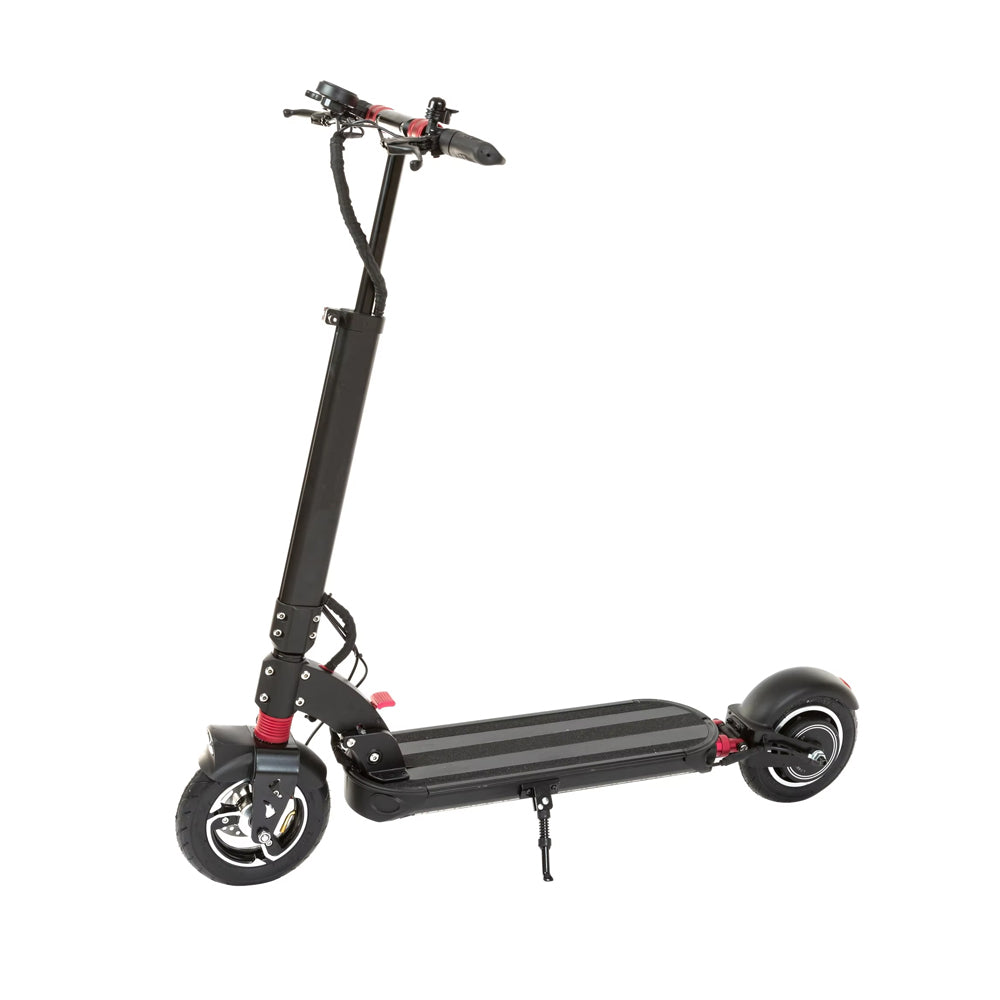
Zero 9
48V · 13Ah battery
Performance meets longevity with smart maintenance.
Shop the Zero 9 — 30 mph electric scooter →
Zero 8
Lightweight · 10.4Ah battery
Perfect for urban riders focused on care and storage.
Shop the Zero 8 →Mercane
WideWheel Pro
WideWheel Pro
WideWheel Pro
15Ah · dual motor
A dual-motor beast — handles hard use but thrives with good charging habits.
Shop the WideWheel Pro →
Final Word: Smart battery care doesn't just extend your range, it protects your ride, your wallet, and even the environment. Make every charge count.
The right habits keep your pack healthy for years. Explore DRIDER scooters built to reward proper battery care — from the lightweight Zero 8 to the long-range Zero 9.
Explore DRIDER Scooters →Our Products


ZERO 9 Scooter
$799.00